Mites vs Lice: How to Tell the Difference (And What to Do About It)
The short answer: Mites and lice are both common backyard chicken pests — but they're completely different creatures that live in different places and require different treatments. Mites hide in the coop and feed at night; lice live on the bird permanently. Getting the diagnosis right the first time saves you from treating the wrong pest twice.
Mites vs lice in chickens is one of those things that separates a calm, confident keeper from a panicking one at 7 AM. Both pests cause scratching, stress, and sad-looking feathers. But they are completely different creatures that need completely different game plans.
Here is the good news: once you know what to look for, spotting the difference gets easy fast. So let's get into it.
What Are Chicken Mites and Why Are They the Worst
Chicken mites are tiny arachnids, which means they are related to spiders and ticks. The red mite is the sneakiest of the bunch. It hides inside coop cracks and crevices all day long, then sneaks out at night to feed on your sleeping birds.
The northern fowl mite is a different story. It skips the whole hide-and-seek routine and stays with the bird around the clock. A heavy infestation causes pale combs, restless nights, and egg production that tanks almost immediately. These little vampires can also survive in an empty coop for months while waiting for their next meal, which makes them extra frustrating to eliminate.
What Are Chicken Lice and How Do They Travel
In the debate of Mites vs Lice, lice are easier to spot but still spread fast if ignored. Chicken lice are insects, not arachnids, and they spend their entire life on the bird. They skip the blood-drinking routine entirely and feed on dead skin cells and feather debris instead. That makes them slightly less dangerous than mites, but still very much a problem for your flock's comfort and health.
Lice spread fast through direct contact, which means one infested bird can share the love with the whole flock before you even notice the scratching. Their eggs, called nits, cling to the base of feathers in clusters and are often the easiest thing to spot during an inspection.
Mites vs Lice: The Key Differences at a Glance
Getting this part right saves you from treating the wrong pest twice. When it comes to Mites vs Lice, knowing where they live and how they behave makes treatment much easier.
-
Where they live
Red mites camp out in the coop and only visit birds at night. Northern fowl mites and lice both live permanently on the bird itself, so you can find them during a regular daytime check.
-
What they look like
Mites are tiny, pale grey to dark red, depending on how recently they fed. Lice are slightly larger, yellowish tan, with a flat, elongated body that moves visibly fast across the skin.
-
Where to look on the bird
Lice cluster near the vent area, under the wings, and along the neck. Northern fowl mites gather around the vent and tail base. If you only spot evidence in the coop and not on your birds during daylight, red mites are very likely the culprit.
-
What damage looks like
Mites cause pale combs, weight loss, and serious fatigue because blood loss adds up fast on the scale. Lice cause broken feather shafts, restless birds, and steady feather damage without the same level of anemia. Noticing either early makes all the difference.

How to Check Your Chickens for Mites the Right Way
Proper inspection is a huge part of winning the Mites vs Lice battle before it spirals. Checking for red mites works best right before dusk or early in the morning. Grab a white paper towel and run it along the roost bars. If you see tiny red or rust-colored smears, you have a confirmed infestation. Those are recently fed mites heading back to their hiding spots.
For northern fowl mites, do your check during the day. Part the feathers near the vent and look directly at the skin. Dark crusting at the base of feathers near the tail means mites have moved in and multiplied. This darkening happens fast once populations grow, and it is a classic sign that your bird needs treatment now.
Routine checks catch these infestations before they spiral. Catching them early means treatment takes days, not weeks. A good place to start is knowing what poultry sicknesses can look like when they first show up.
How to Treat Chicken Lice Without Losing Your Mind
Chicken lice are manageable once you understand where they live and how they reproduce. The key is treating the birds directly, following up at the right time, and giving your flock the support they need to recover fully. Here is exactly how to work through it step by step.
Start by Treating the Birds Directly
Treatment for chicken lice always starts on the birds because lice never leave the host. Dust each chicken individually and work the treatment all the way down to the skin. Surface dusting alone misses the live lice sitting closest to the body.
A quality dust bath area helps your chickens do some of the work themselves. Chickens instinctively use dust bathing to suppress parasites, so giving them reliable access to a good bathing spot is non-negotiable. Adding wood ash or fine dry soil to the area gives them extra pest-fighting power.
Get the Eggs Too
Lice eggs stick to the base of feathers and survive most treatments that kill adults. Repeat treatment seven to ten days after your first round to catch newly hatched lice before they reproduce. Skipping this second round is the single biggest reason lice keep coming back after treatment.
Help Your Birds Bounce Back
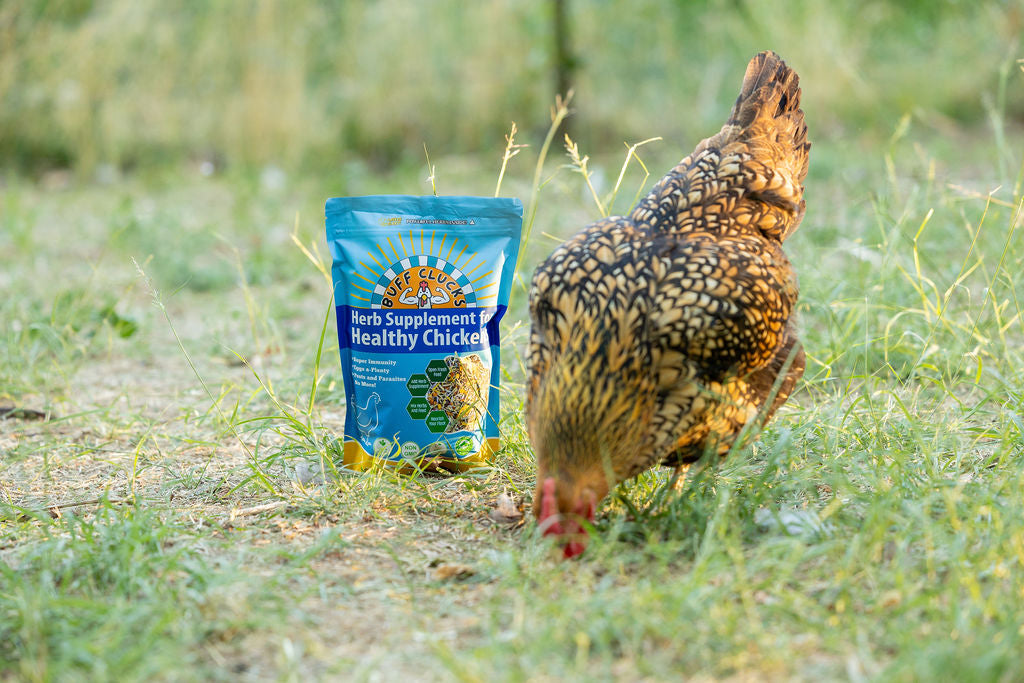
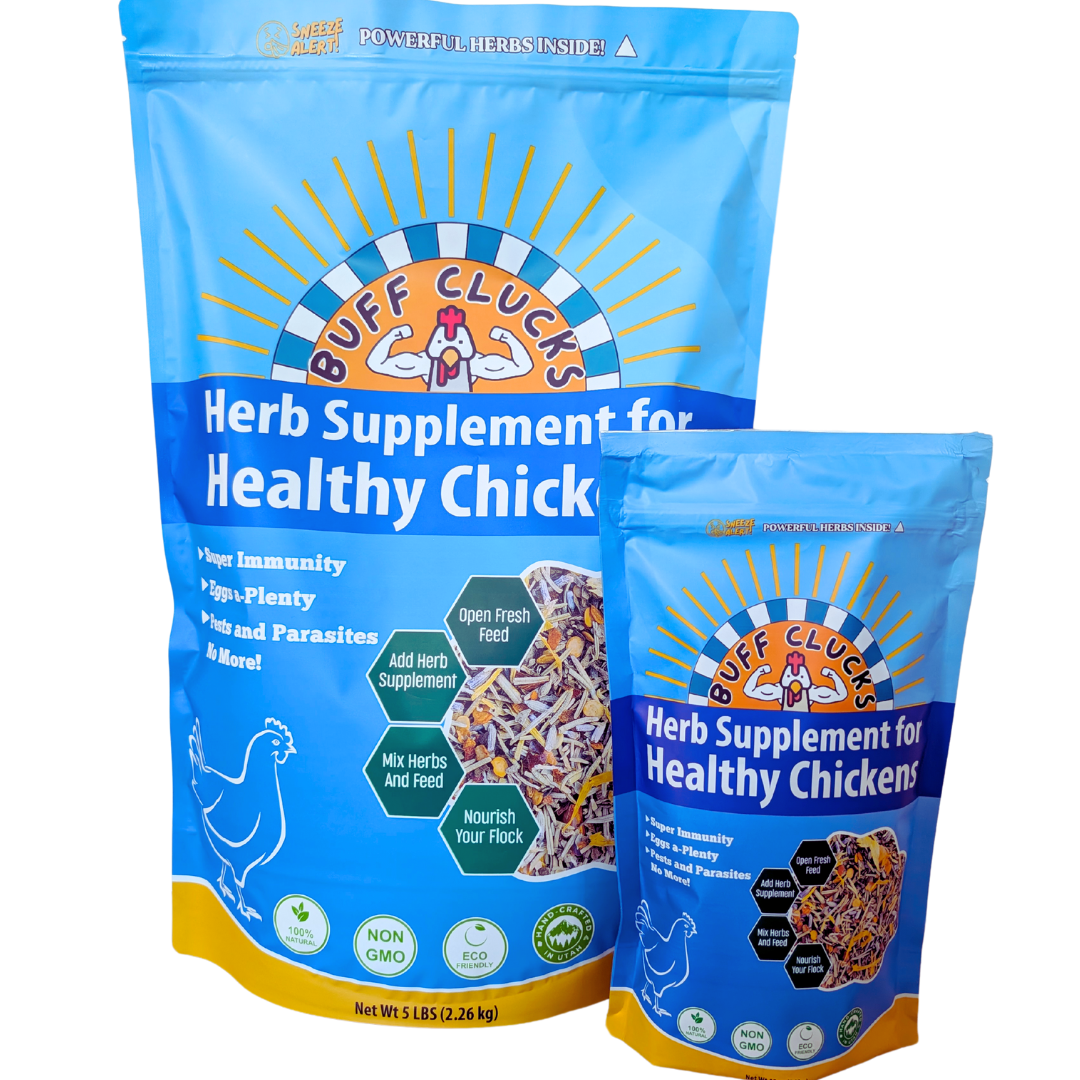
A lice infestation stresses birds out, and stressed chickens need solid nutritional support to recover. Feather condition often takes a hit during and after a parasite load, especially during a molt. Adding the Buff Clucks Herb Supplement to your routine gives your flock a natural herbal boost that supports immunity and helps them bounce back faster. It works quietly in the background while your birds do what they do best: be dramatic and eat everything.

How to Tackle Chicken Mites in the Coop and on the Birds
Chicken mites require a two-front approach: the coop and the birds. Skipping either one means the infestation bounces back fast. Work through both targets in the right order, and you will actually get ahead of these sneaky little pests.
Hit the Coop First for Red Mites
Red mites live in the coop, so treating only the birds accomplishes nothing. Remove all bedding, deep clean every surface, and target every crack, crevice, roost bar, nesting box joint, and wall corner. Mites hide in spaces you would never think to check.
CoopShield makes this step significantly easier. It combines diatomaceous earth and peppermint into a powerful natural barrier that mites genuinely cannot stand. Dust it into crevices, along roost bars, under nesting boxes, and into fresh bedding after every clean. Reapply after rain or bedding changes to keep protection active between deep cleans.
Treat the Birds for Northern Fowl Mites
Northern fowl mites stay on the bird around the clock, so your treatment must go directly onto each chicken. Work the dusting treatment down to the skin rather than just coating the top layer of feathers. The vent area and under the wings need the most attention.
Repeat your treatment one week later to break the mite reproductive cycle. Missing that follow-up is exactly how mites rebound and make you feel like you never treated at all.
Keep Monitoring After Treatment
Check roost bars every week and inspect your birds every two weeks during warm months. Staying consistent is what keeps small problems from turning into full infestations. Mites and lice do not take days off, and neither should your inspection routine.
Prevention Habits That Actually Work
Prevention is always cheaper, faster, and less stressful than treatment. A few consistent habits keep both chicken mites and chicken lice from ever getting comfortable in your coop.
Quarantine every new bird for at least two weeks before introducing them to your existing flock. New chickens are the most common way lice and mites sneak into a previously clean setup. That two-week window protects everyone already living in your coop.
Keep your coop dry, ventilated, and clean. Mites love humid, undisturbed corners and damp bedding. Regular bedding changes and good airflow are your cheapest, most effective line of defense.
Never skip dust bath access. Chickens that dust bathe regularly carry far lower parasite loads than birds without access to a good spot. Build a covered dust bath area if your run gets muddy or wet so your birds can use it year-round.
Frequently Asked Questions: Chicken Mites vs Lice
What is the difference between chicken mites and chicken lice?
Mites are arachnids related to spiders that typically live in the coop environment — hiding in cracks during the day and feeding on birds at night. Lice are insects that live permanently on the bird itself, staying in the feathers at all times. This fundamental difference in where each pest lives determines when and how to check for them and how to treat effectively.
How do I know if my chicken has mites or lice?
To check for red mites: inspect the coop at night with a flashlight — look for tiny moving red or brown dots on roost bars and crevices. For lice: inspect the bird directly, parting feathers near the vent, under wings, and at the neck — look for pale fast-moving insects and clusters of white eggs at feather bases. The timing of your inspection tells you which pest to look for.
Are chicken mites or lice more dangerous?
Red mites can be more acutely dangerous because they feed in large numbers at night and can cause significant blood loss leading to anemia, weakness, and in severe cases death. Lice cause constant irritation and feather damage but rarely cause anemia. Both require prompt treatment, but a heavy red mite infestation is the more immediate health emergency.
Can chicken mites or lice spread to humans?
Red mites can temporarily bite humans who handle infested birds or work in infested coops, causing itchy red welts. However, they cannot complete their lifecycle on humans and will not establish an infestation. Chicken lice are species-specific and do not transfer to humans at all. Neither parasite poses a lasting threat to human health.
How do I treat chicken mites naturally?
Natural mite treatment requires addressing both the bird and the coop simultaneously. Apply diatomaceous earth or herbal pest powder (containing neem, peppermint, and chrysanthemum) to bird feathers focusing on vent and under-wing areas. For the coop: remove all bedding, treat every crack and crevice with DE and herbal treatments, then replace with fresh dry bedding. Repeat after 7-10 days to address newly hatched mites.
How do I treat chicken lice naturally?
Since lice live on the bird rather than in the coop, treatment focuses directly on the birds. Apply diatomaceous earth or herbal pest powder to feathers, working it into the skin especially around the vent, under wings, and at the neck. Treat all birds simultaneously. Providing proper dust bath access with DE helps birds maintain ongoing natural parasite control. Repeat treatment after 10-14 days to catch newly hatched lice.